

Enhancing Air Quality Through Flooring Choices
Indoor air quality is an essential aspect of a healthy living environment. Poor air can lead to various health issues, including respiratory problems and allergies. Among the innovative solutions available today, certain flooring options play a vital role in maintaining cleaner indoor air. By choosing materials that reduce dust accumulation and resist moisture, you can significantly enhance your home’s air quality. Let’s explore how making smart flooring choices contributes to a healthier indoor environment.
The Role of Dust and Allergens
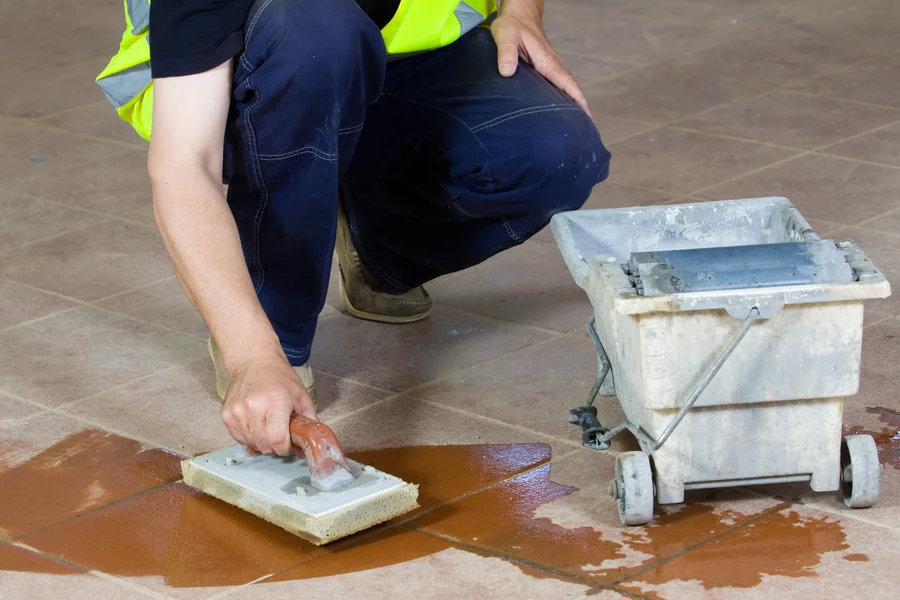
Dust and allergens are two major culprits that affect air quality indoors. These particles settle on surfaces, becoming airborne with any movement or disturbance. This includes floors, which often act as collectors for dust and allergens. Traditional flooring materials like carpets tend to trap these particles, making regular cleaning challenging. Choosing the right type of flooring can mitigate this problem by reducing the places where dust can accumulate.
Benefits of Smooth Surfaces
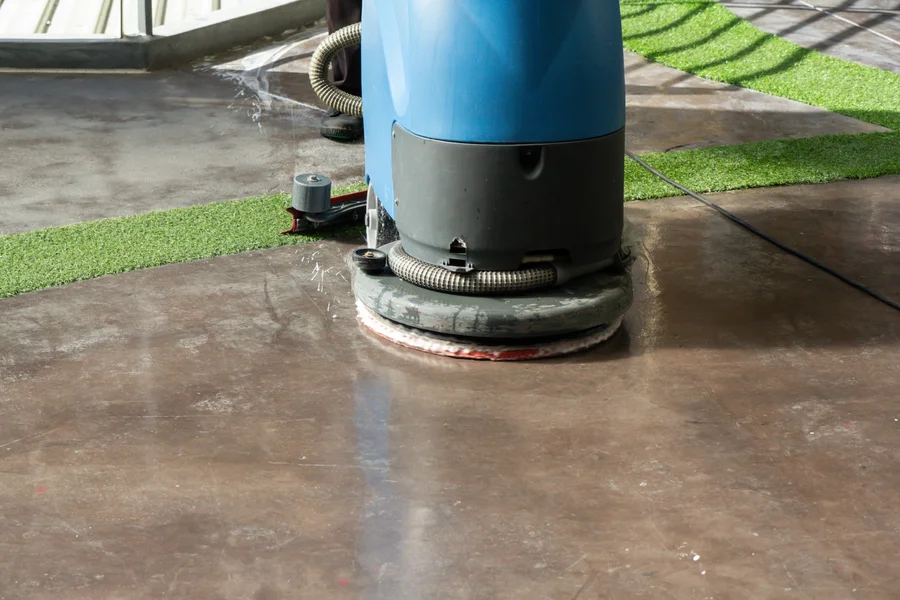
Smooth flooring surfaces like polished concrete offer distinct advantages for those looking to improve air quality. Unlike carpeted floors, they do not harbor dust or allergens. Concrete polishing creates a sleek surface that makes it easy to clean. With fewer crevices for dirt to hide, polished concrete reduces the frequency at which allergens are stirred up into the air.
Moisture Resistance and Mold Prevention
Another benefit of smooth, polished surfaces is their moisture resistance. Floors that trap moisture can become breeding grounds for mold and mildew, both of which release spores that compromise air quality. A polished concrete floor doesn’t absorb moisture easily, helping to prevent mold growth and maintain a healthier indoor atmosphere.
Sustainability of Floor Materials
When considering how to improve indoor air quality through flooring, sustainability is another important factor. Many modern flooring options are created with eco-friendly processes that minimize emissions of volatile organic compounds (VOCs). Reducing VOC emissions directly impacts the quality of indoor air by lowering the presence of harmful chemicals.
Implementing Healthy Flooring Solutions
Choosing healthier flooring solutions involves several steps:
- Select materials known for their low emission profiles
- Opt for finishes that create smooth, dust-resistant surfaces
- Regularly clean and maintain floors to prevent buildup of contaminants
Understanding Potential Challenges
While transitioning to new floor types offers many benefits, it also comes with challenges. Initial costs might be higher than more traditional options. Additionally, some homeowners may find the installation process disruptive. However, the long-term gains in health and maintenance savings often outweigh these initial hurdles.
Cost Factors and ROI
The cost of upgrading your flooring should be viewed as an investment in better health. While price varies depending on material and area size, improved air quality often leads to reduced medical expenses related to allergies and asthma. Over time, the potential return on investment (ROI) becomes evident in enhanced wellness and life quality.
Your Path to Better Indoor Air Quality Starts Here
Improving your indoor environment can begin with the right choice of flooring. By focusing on materials that support cleaner air and require less maintenance, you invest in long-term health benefits. Contact us at (236) 314-0321 to learn more about our services. Based in Surrey, BC, we specialize in providing high-quality flooring solutions tailored to your needs. Let Southern Concrete & Labour Services help you make informed decisions towards a healthier home.